How It Works
The machinery behind the magic, explained without the marketing.
Block systems, launches, lift hills, brakes, trackless dark rides — the evergreen explainer library. Each piece answers a question people genuinely ask, gives the short answer up front, and then builds the full picture. These are reference pages: we update them rather than replace them.
-
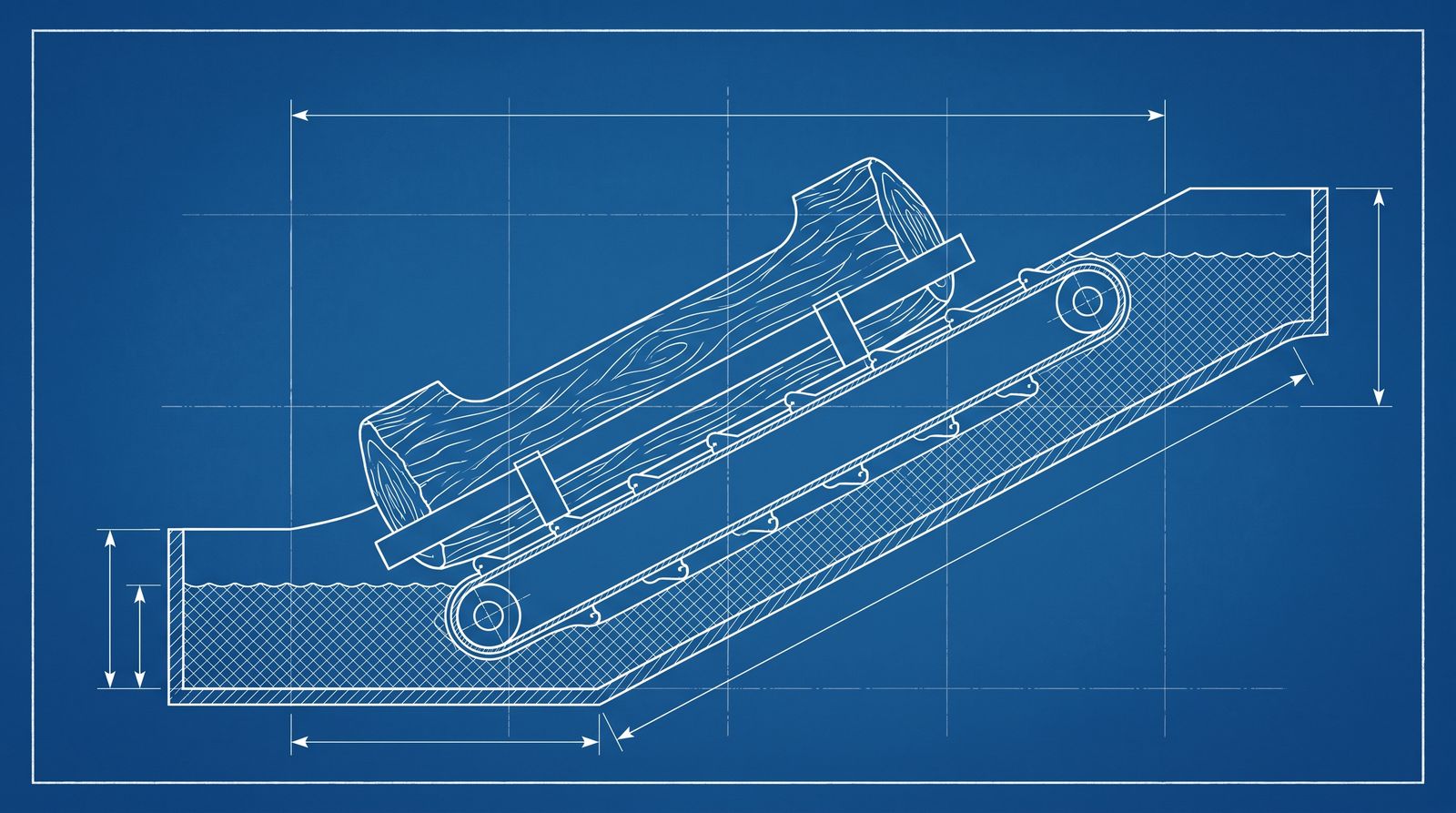
How Log Flumes and River Rapids Rides Actually Work
How log flumes and river rapids rides work: the conveyor lift and uphill kick behind the splash, and the fixed channel fins that make rapids boats spin.
-
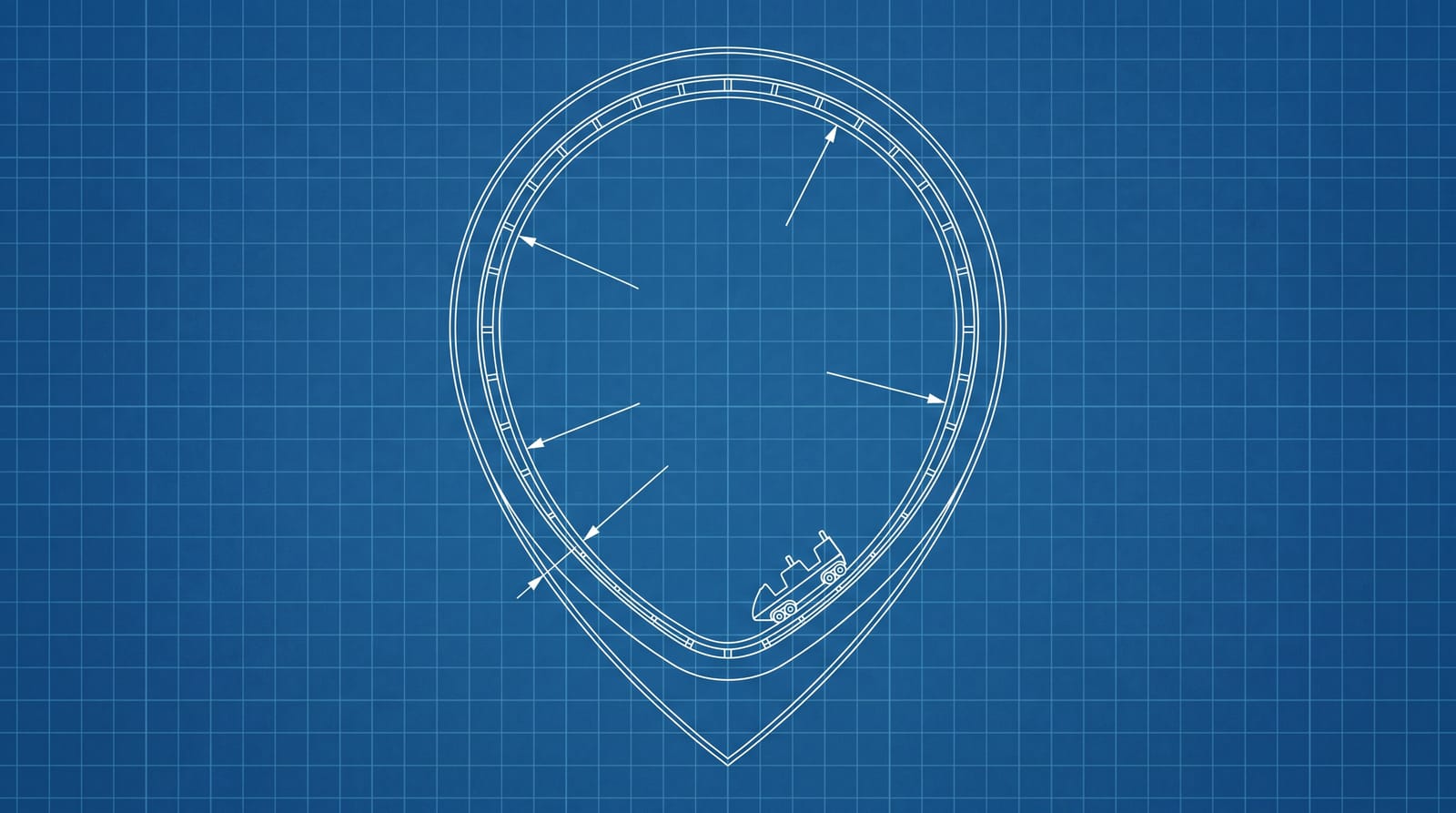
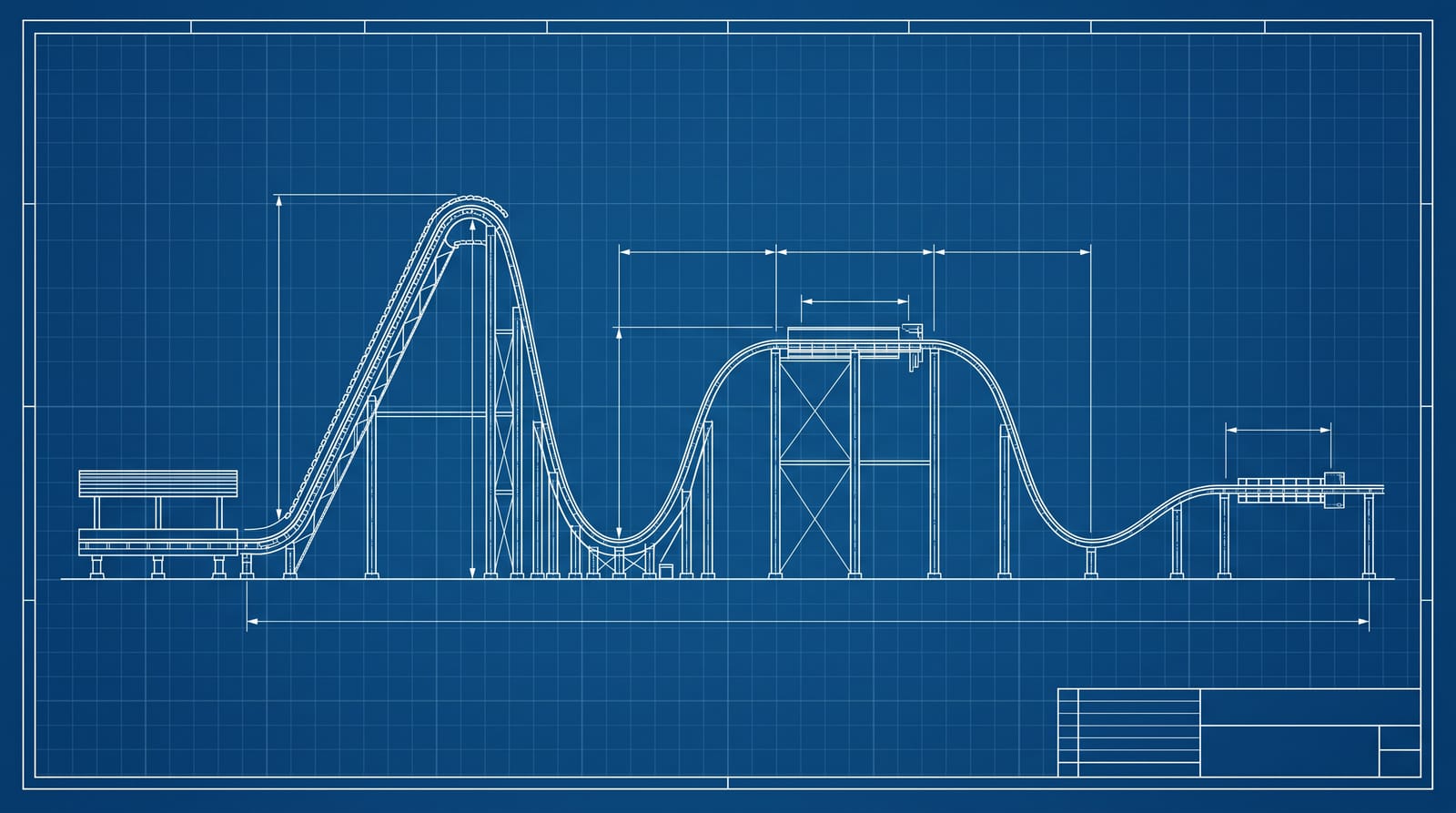
How Roller Coaster Loops Are Engineered — Why They're Not Circles
How roller coaster loops actually work: the teardrop clothoid curve, heartlining and the g-forces engineered to keep an inversion thrilling rather than dangerous.
-
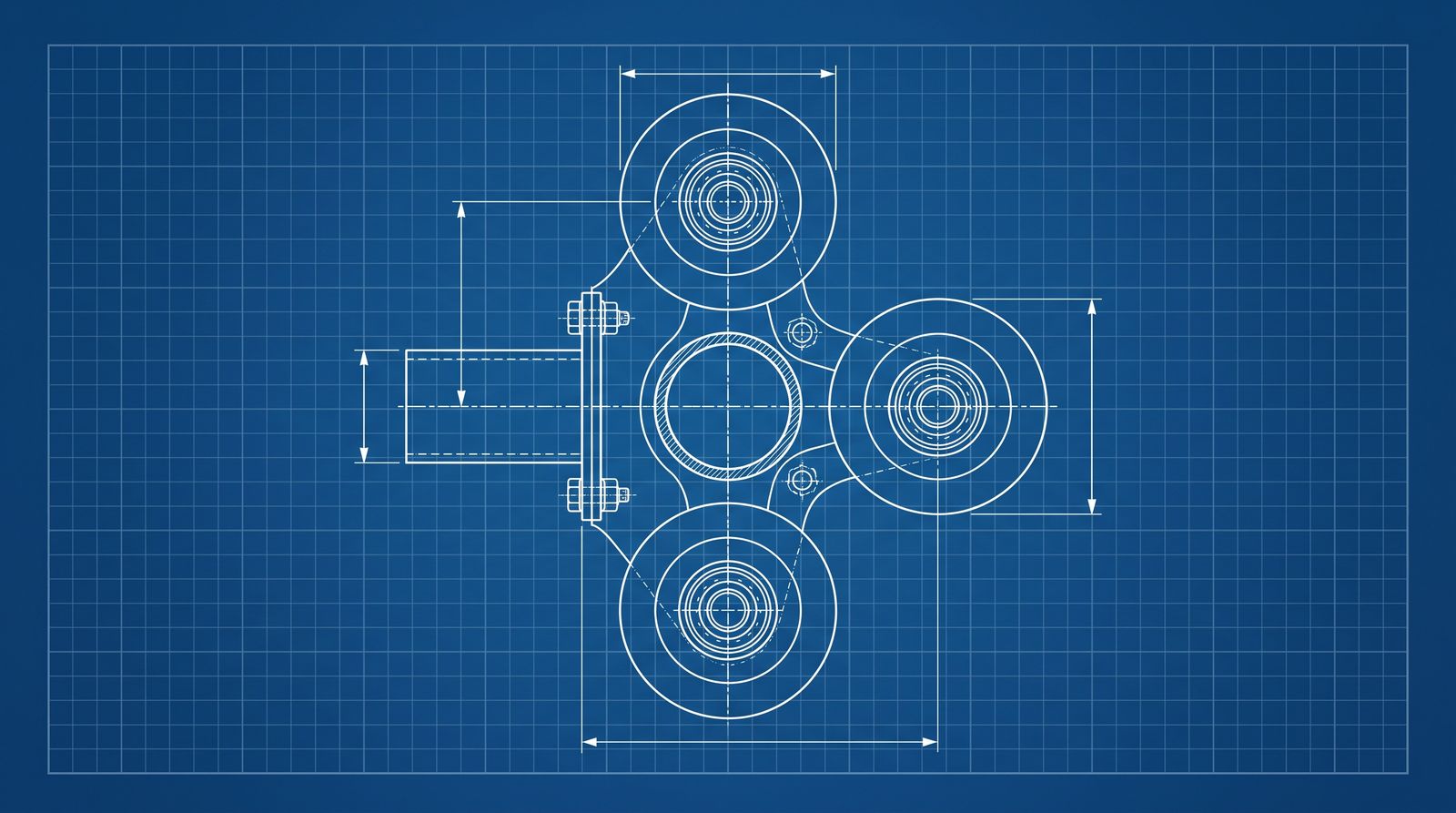
How Roller Coaster Wheels Keep Trains Locked to the Track
Roller coaster wheels explained: how road, guide and upstop wheels work together in one truck — the three-wheel grip that stops a train leaving the rail, even upside down.
-
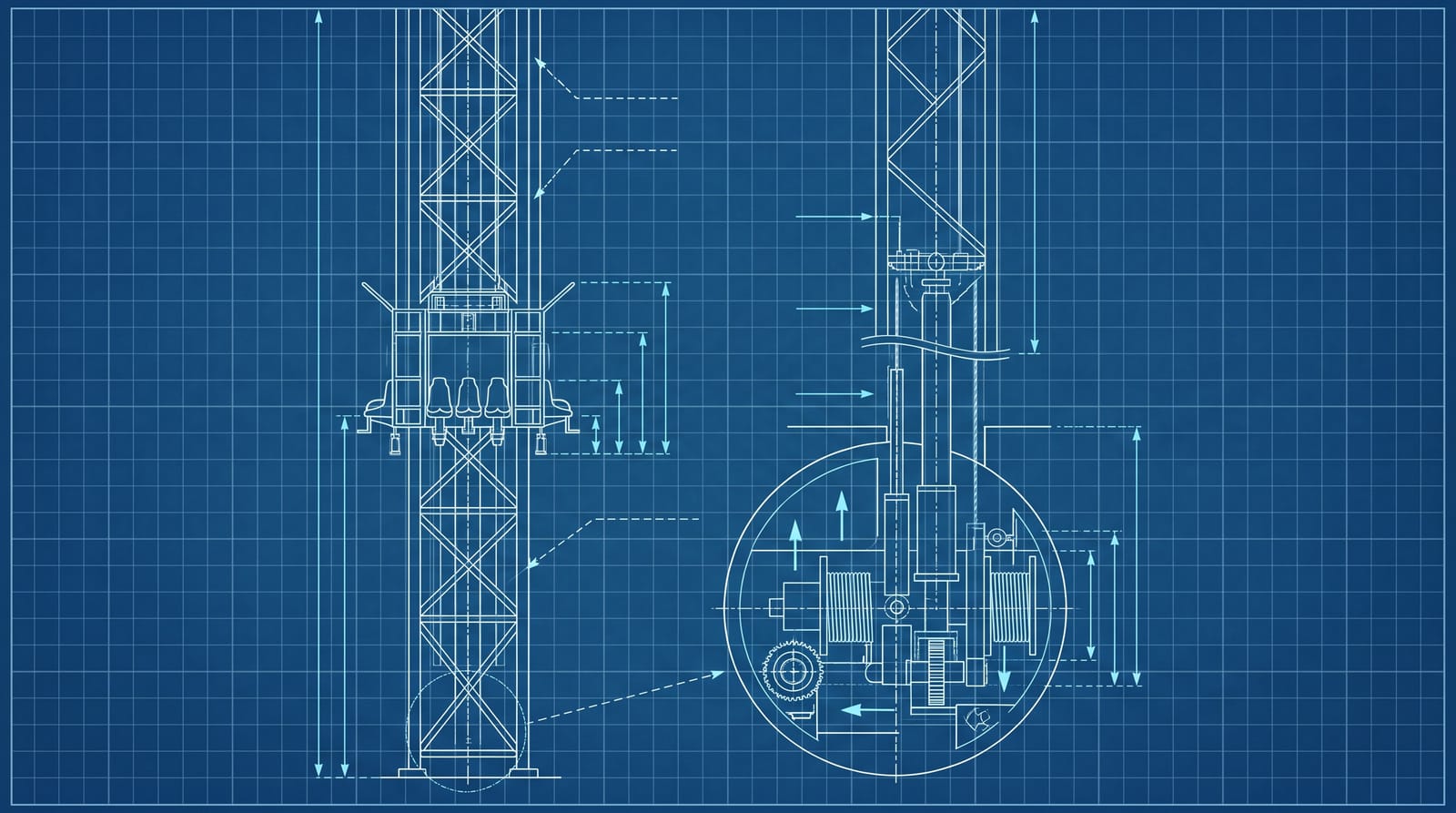
How Drop Tower Rides Actually Work: Freefall, Pneumatics and Magnetic Brakes
How do drop towers work? Gravity release and pneumatic launch explained, plus the eddy-current magnets that catch every gondola — with real rides and verified heights.
-
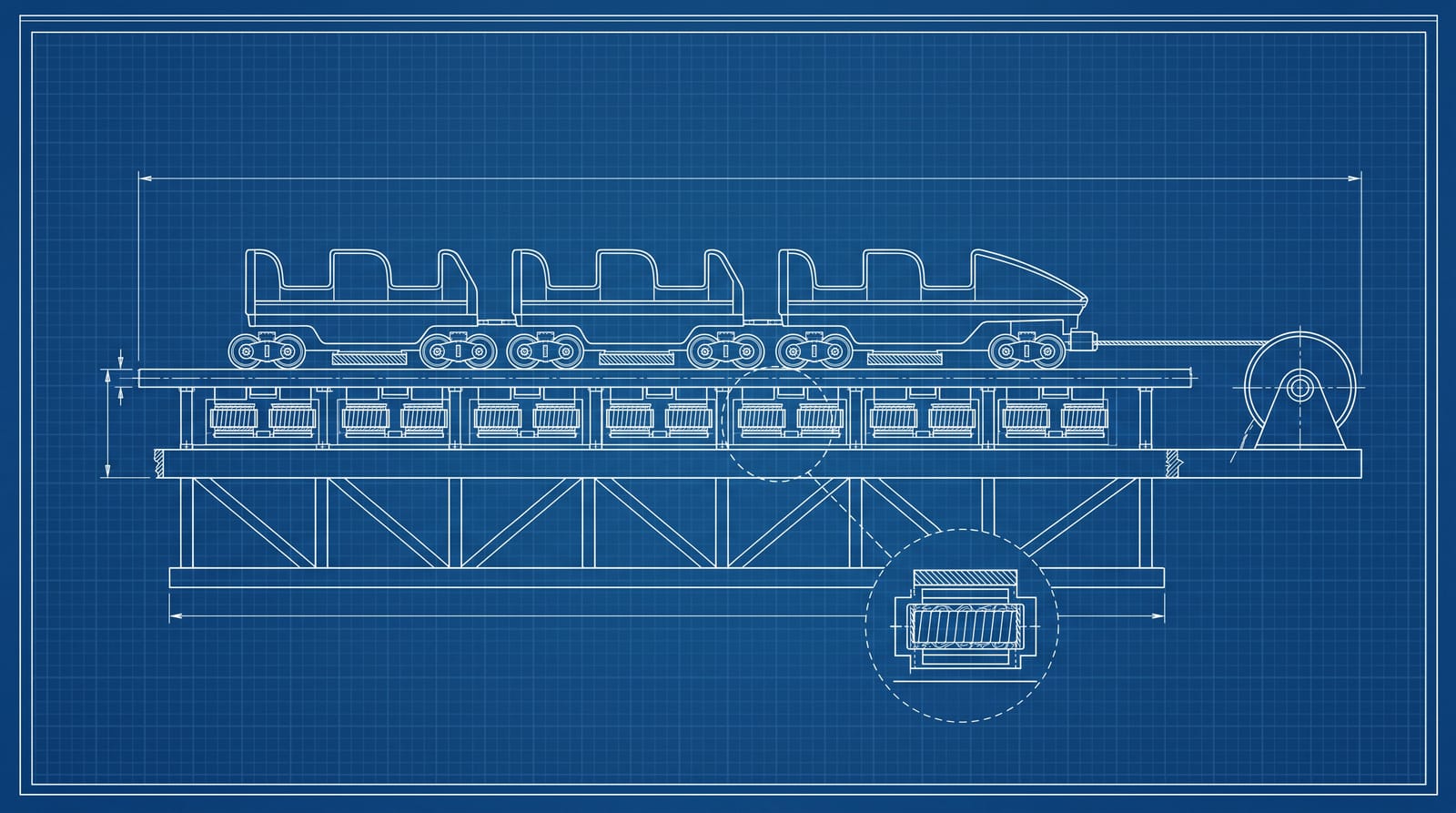
LSM vs Hydraulic Launch: How Coasters Go 0–60 Without a Hill
How do launch coasters work? Hydraulic winches and LSM electromagnetic launches explained — and why the magnets have quietly won the speed war.
-
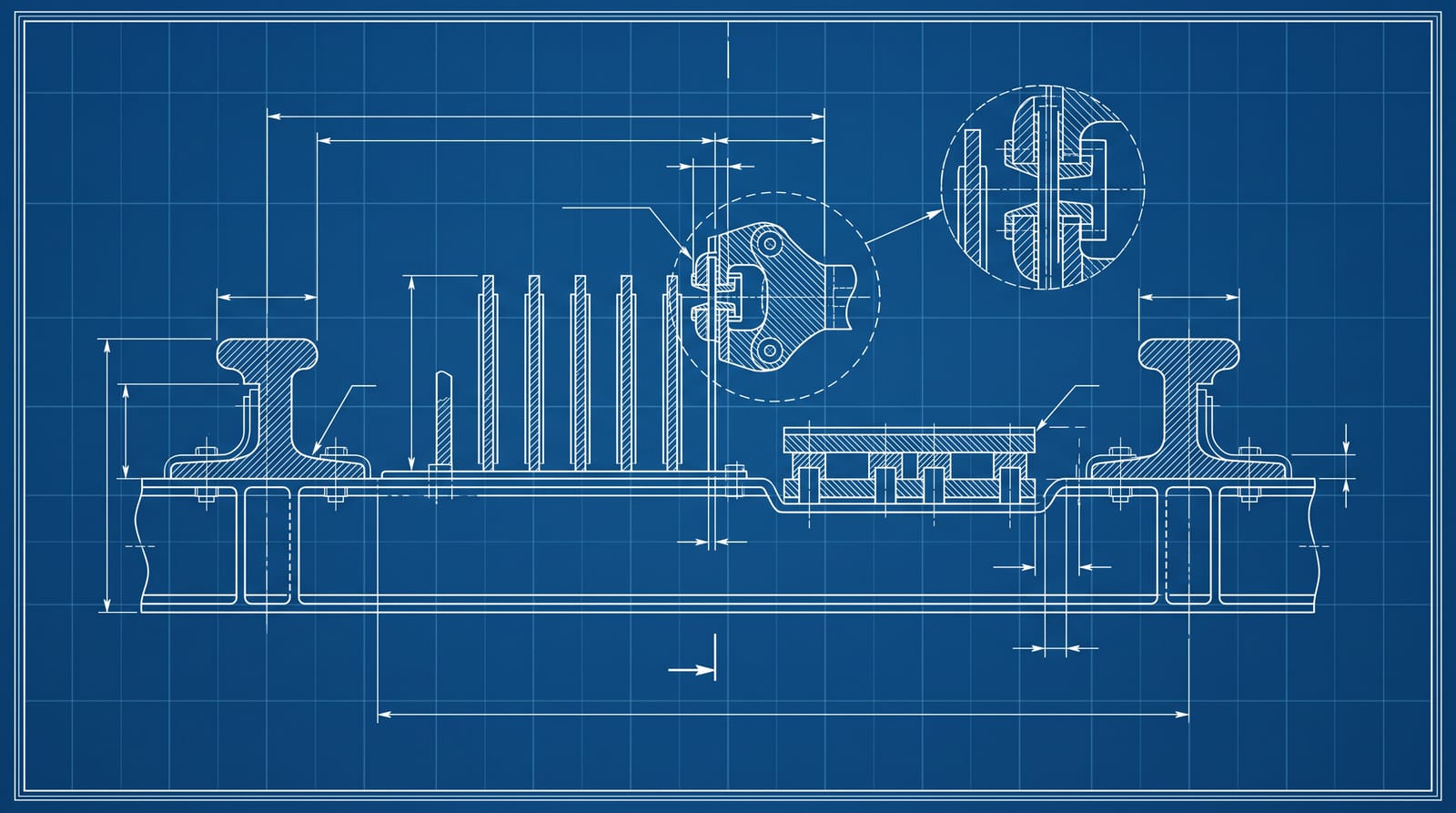
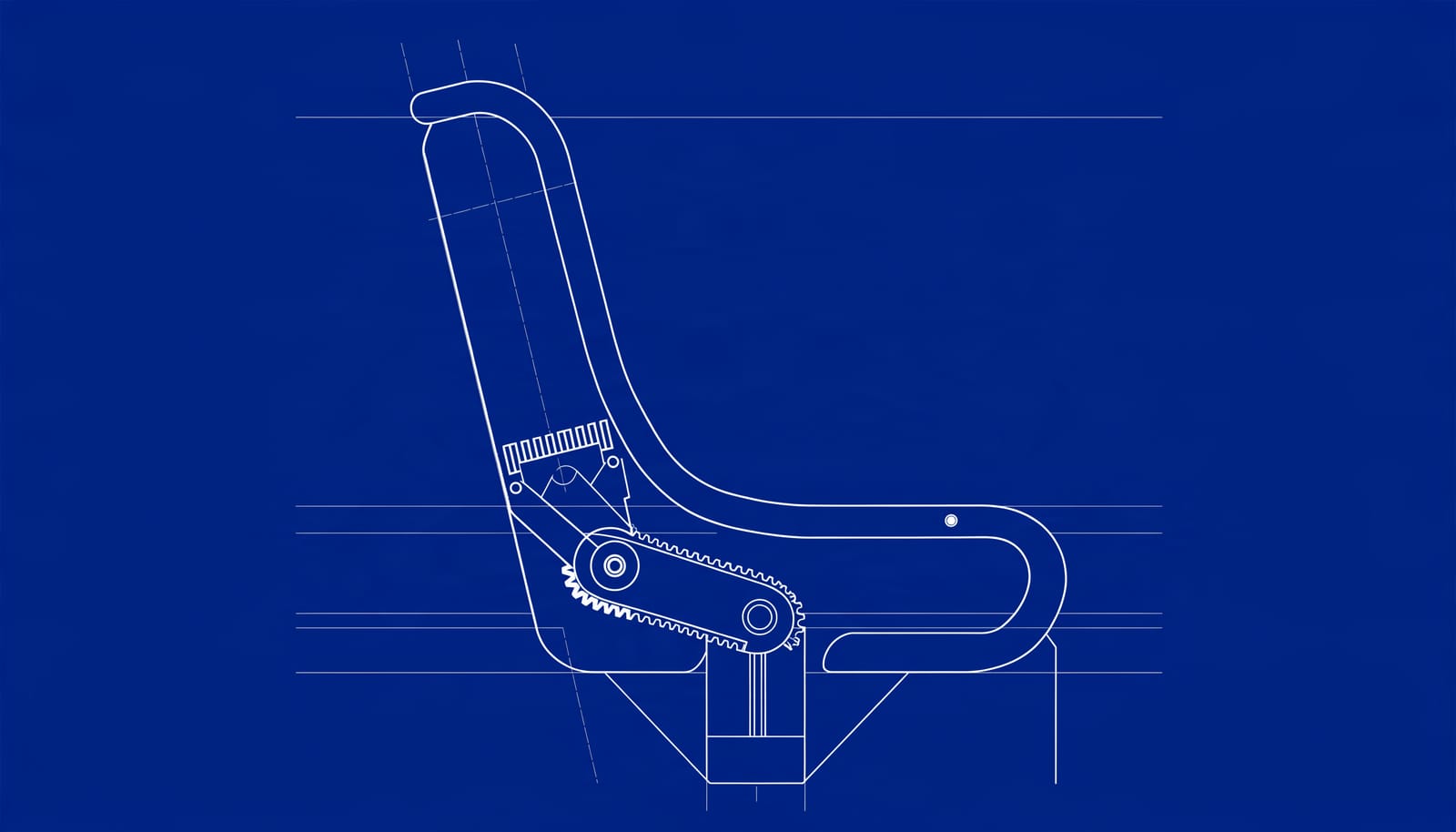
How Roller Coaster Brakes Actually Work (and Why Trims Exist)
Roller coaster brakes explained: pinch brakes, magnetic eddy-current brakes, block brakes and the much-grumbled-about trim — and why trains carry no brakes at all.
-
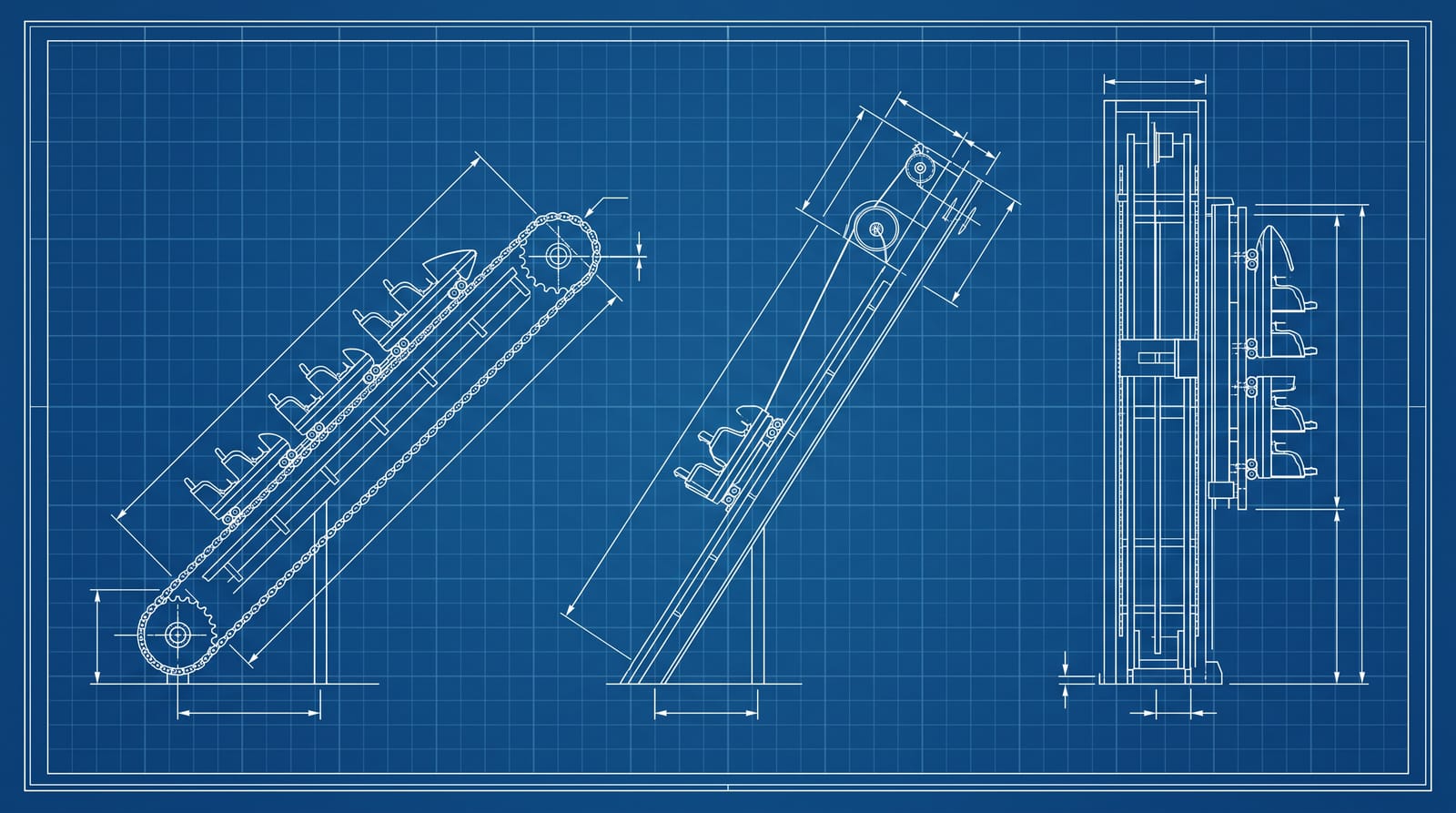
Chain Lifts, Cable Lifts and Elevator Lifts Explained
The roller coaster lift hill in all its forms: how chain lifts, cable lifts, vertical lifts and elevator lifts get a train up there — and why designers pick each.
-
Who Builds the World's Roller Coasters? A Guide to the Manufacturers
The roller coaster manufacturers explained: B&M, Intamin, Mack, Vekoma, RMC, GCI, Gerstlauer and Zamperla — who builds what, and how to tell them apart.
-
How Roller Coaster Restraints Actually Work (and Why Headbanging Still Happens)
How roller coaster restraints actually work: lap bars, over-the-shoulder harnesses and vest restraints explained, plus why some rides still bang your head.
-
How Roller Coaster Block Systems Work — and Why Trains Never Collide
The roller coaster block system explained: how one-train-per-block logic, fail-safe brakes and track sensors keep coaster trains apart on every ride.
-
How Theme Parks Calculate Ride Capacity (and Why the Queue Is Long)
Theme park ride capacity explained: the riders-per-hour equation, theoretical vs actual throughput, and the queue arithmetic behind every posted wait time.
-
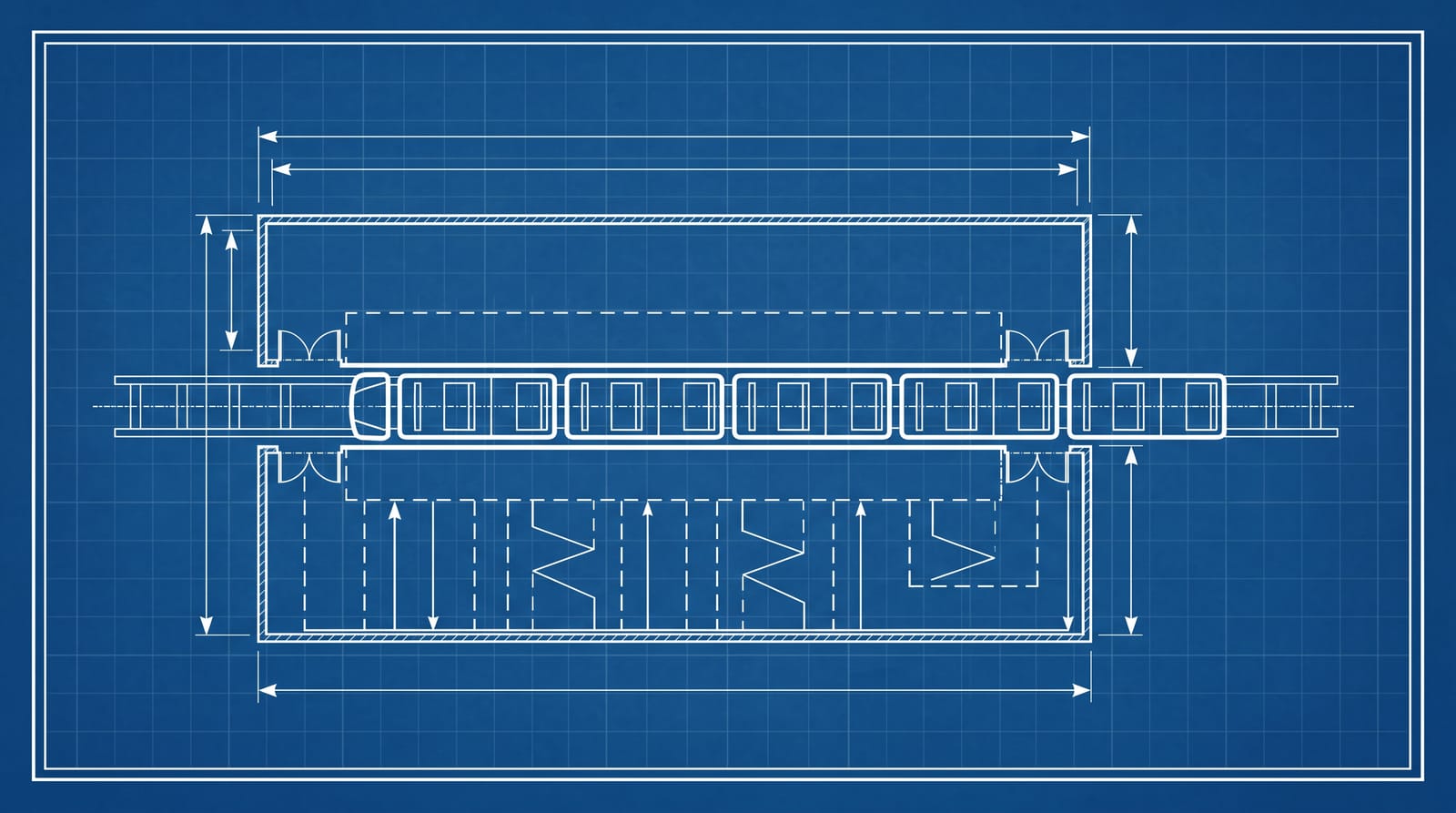
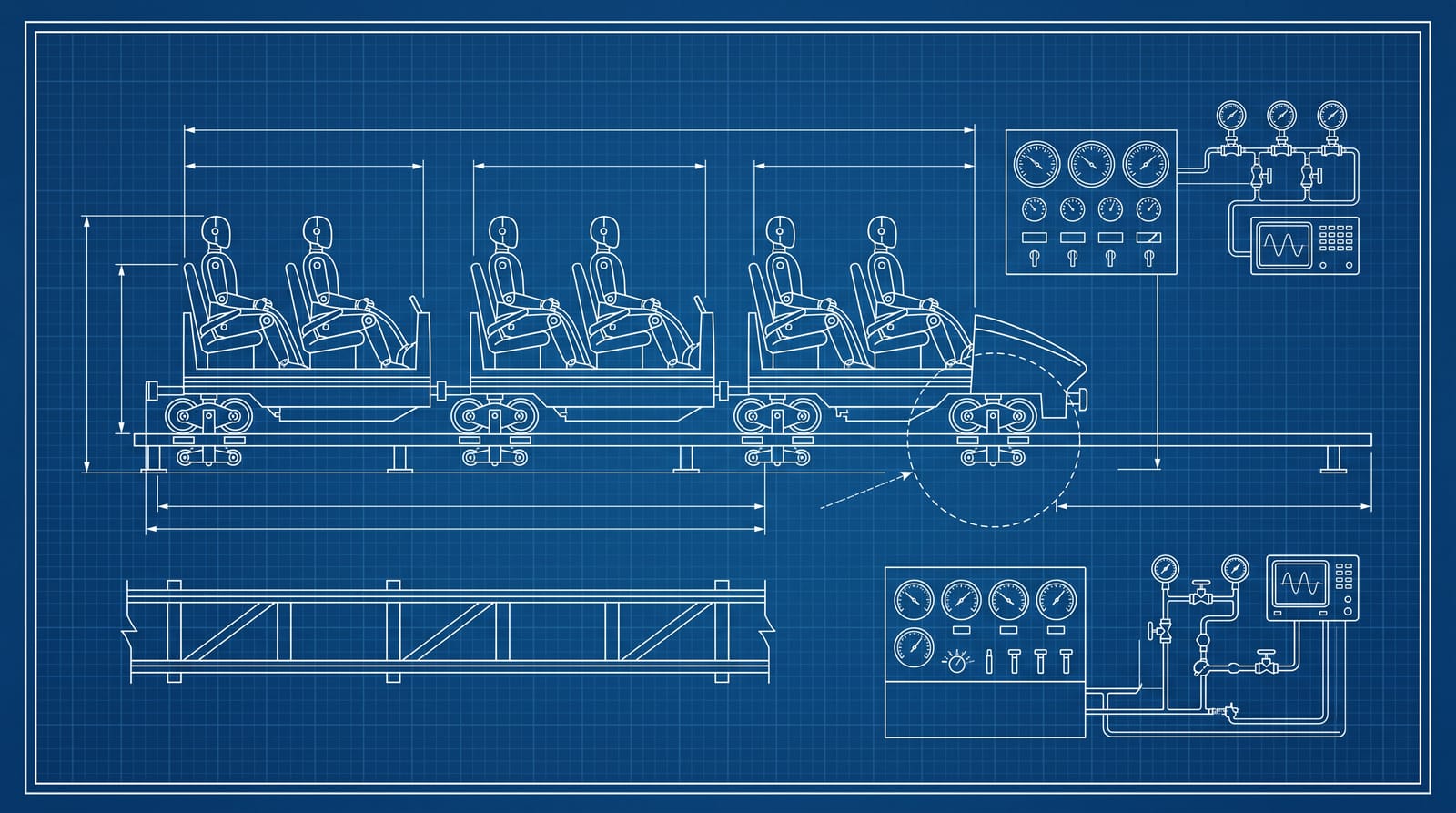
What a Technical Rehearsal Is, and Why Parks Soft-Open Rides
Soft openings and technical rehearsals explained: how a theme park ride goes from water dummies to paying guests, and why 'may operate' signs are a gift.
-
Why Roller Coasters Make the Clickety-Clack Sound
Why do roller coasters click on the lift hill? Each clack is an anti-rollback ratchet — a 1910 safety invention still guarding every climb. Here's how it works.
-
How Trackless Dark Ride Systems Work
Trackless dark ride technology explained: how battery vehicles with no rail navigate by dead reckoning and floor markers, choreographed by a central control system.
-
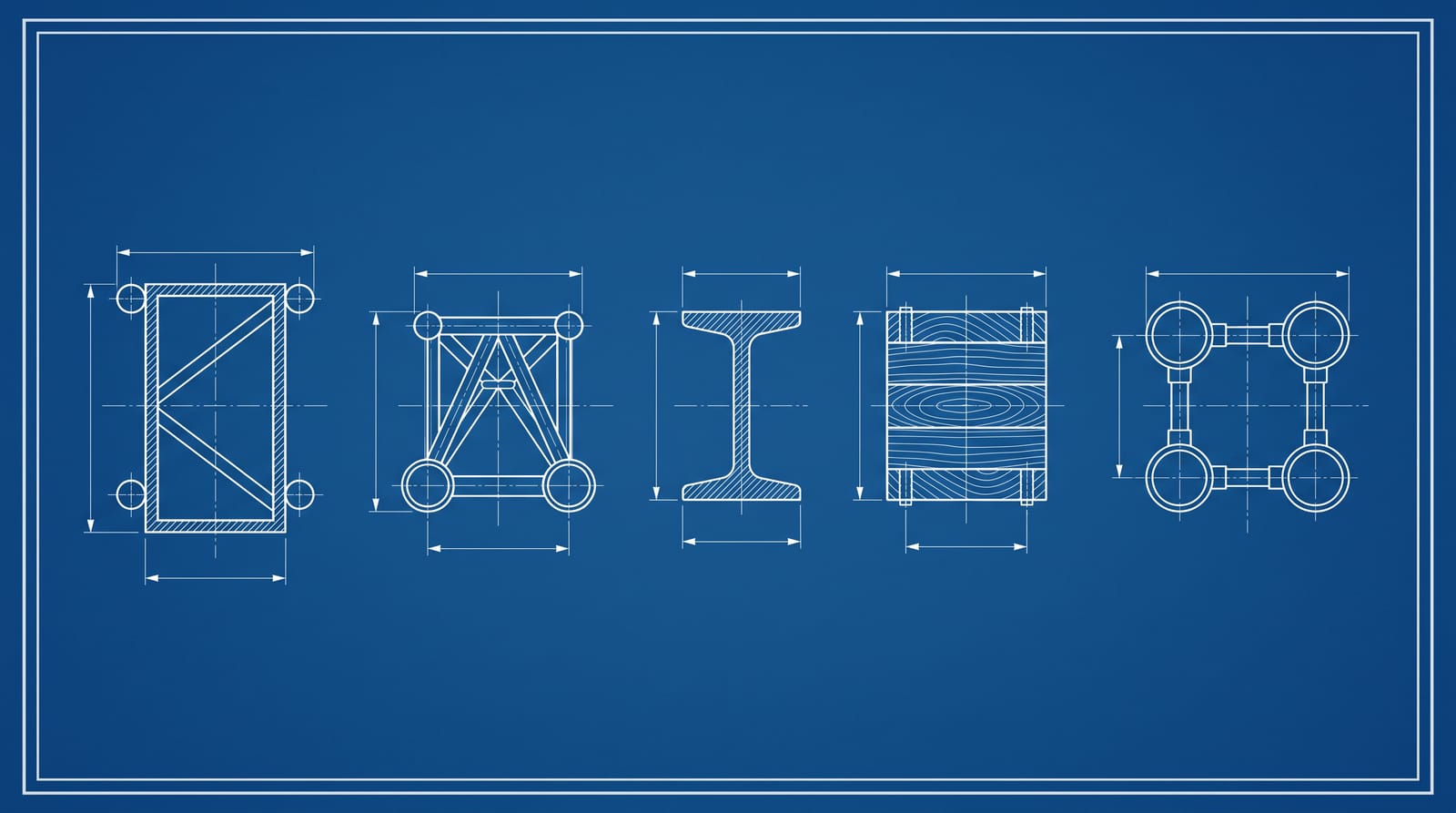
Wood vs Steel vs RMC Hybrid: What Actually Changes
Wooden vs steel roller coasters, explained at the rail: why wood flexes and roars, why steel loops and lasts, and how RMC's I-Box hybrids split the difference.