RMC
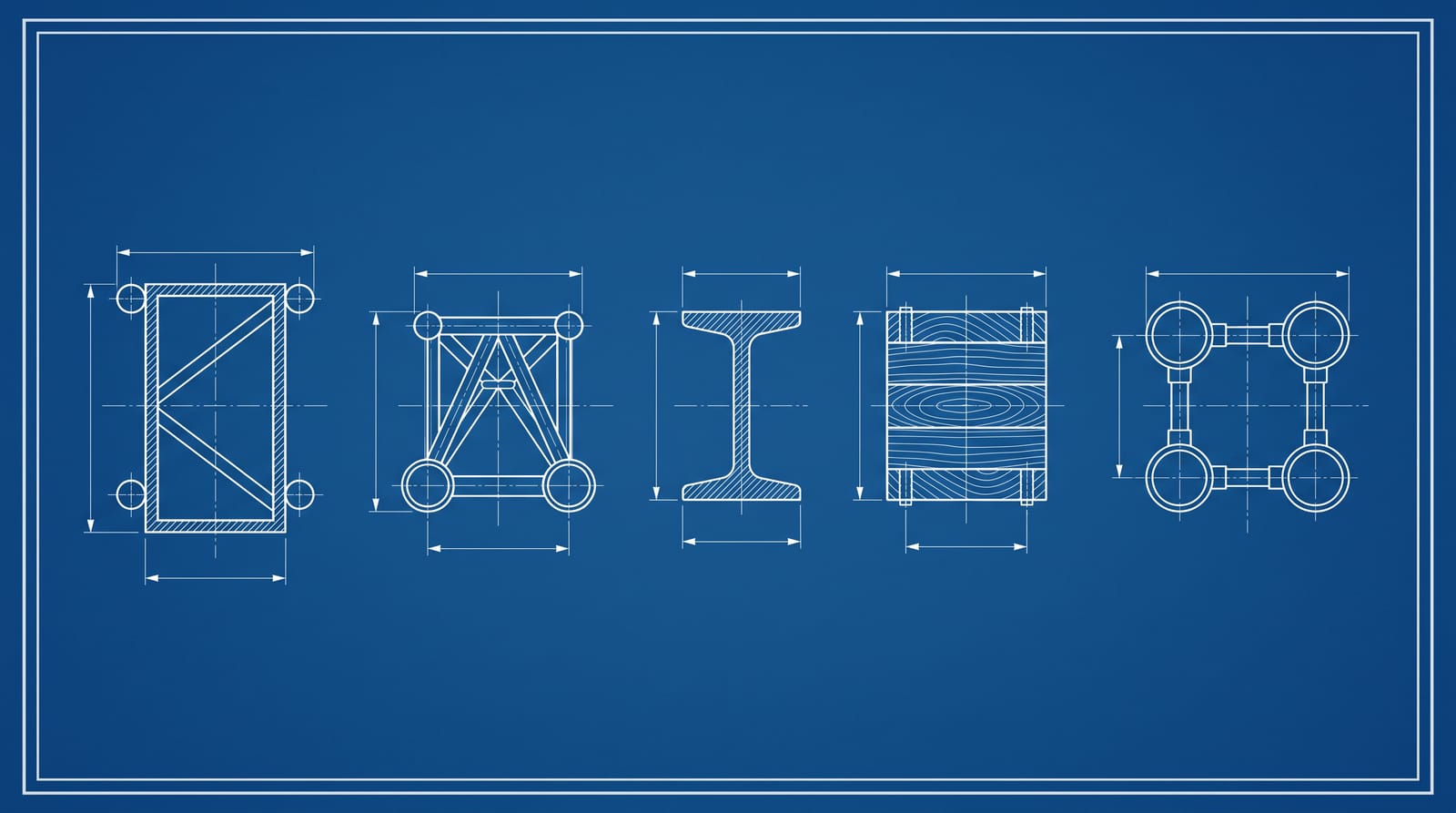
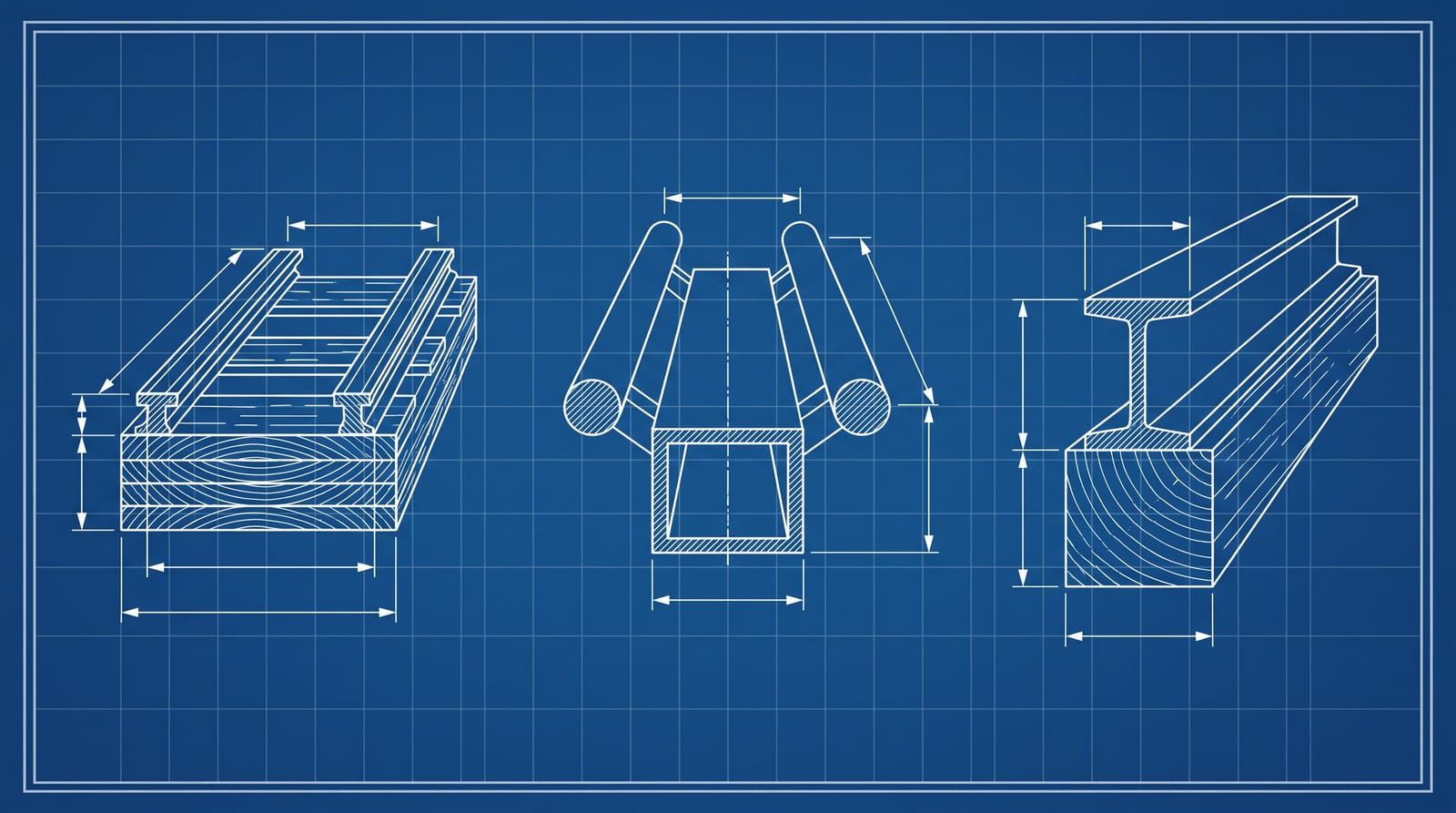
Rocky Mountain Construction turned the industry’s biggest liability — ageing, rough wooden coasters — into its raw material, rebuilding them with steel I-Box track into machines that routinely top enthusiast polls. Few manufacturers have ever changed the industry’s mind about an entire ride category; RMC did it in a decade.
Coverage
-
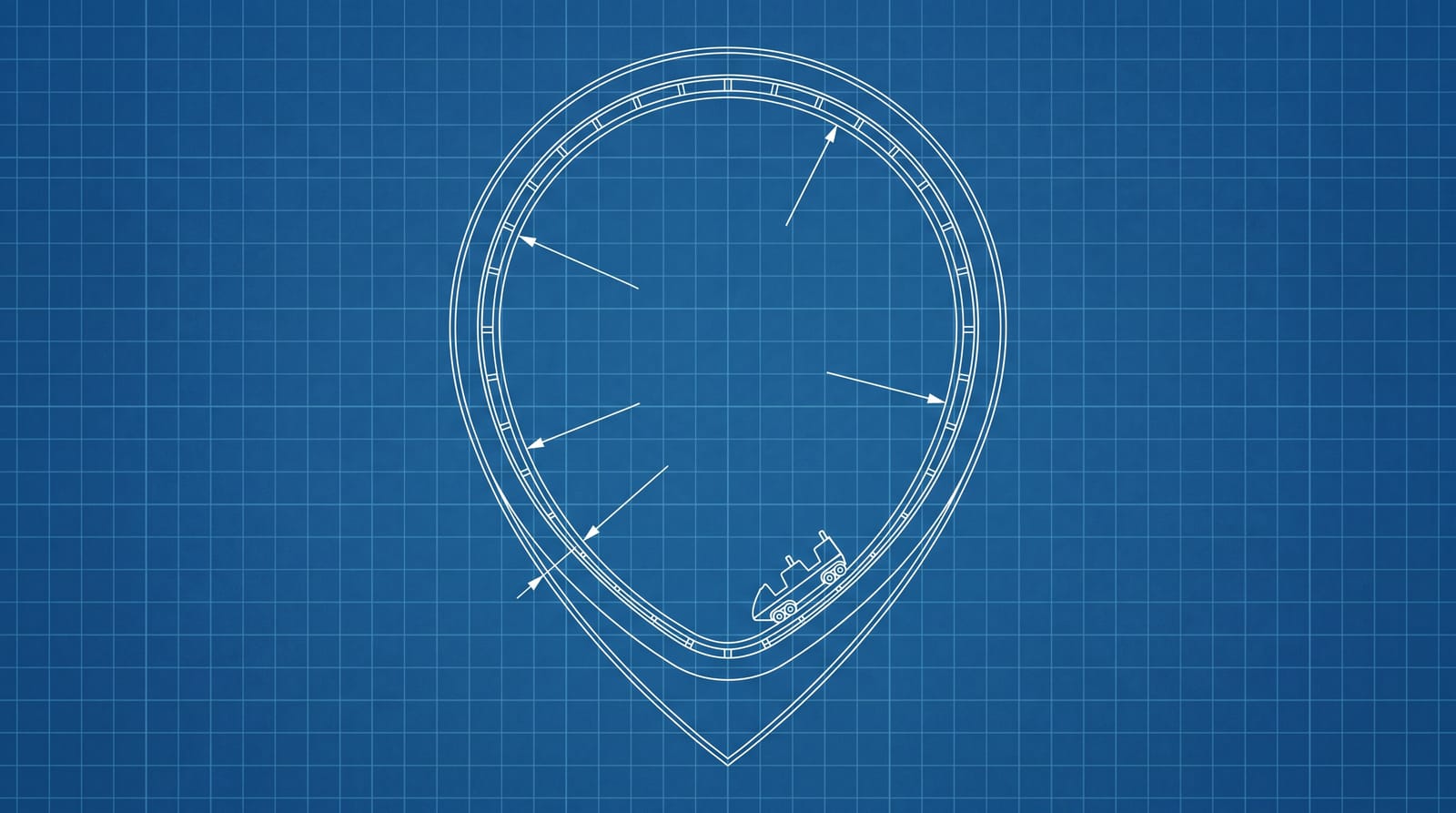
How Roller Coaster Loops Are Engineered — Why They're Not Circles
How roller coaster loops actually work: the teardrop clothoid curve, heartlining and the g-forces engineered to keep an inversion thrilling rather than dangerous.
-
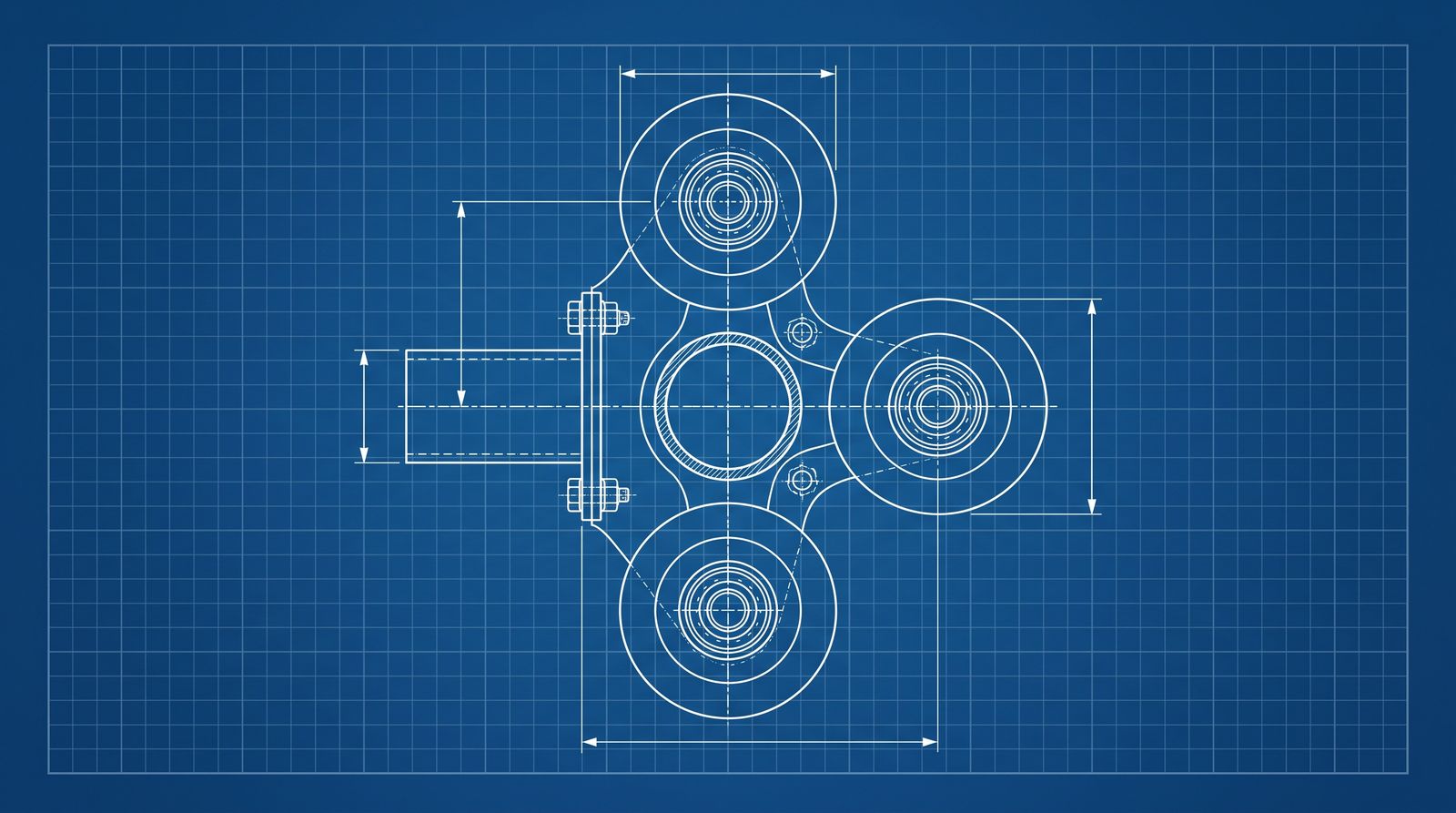
How Roller Coaster Wheels Keep Trains Locked to the Track
Roller coaster wheels explained: how road, guide and upstop wheels work together in one truck — the three-wheel grip that stops a train leaving the rail, even upside down.
-
Who Builds the World's Roller Coasters? A Guide to the Manufacturers
The roller coaster manufacturers explained: B&M, Intamin, Mack, Vekoma, RMC, GCI, Gerstlauer and Zamperla — who builds what, and how to tell them apart.
-
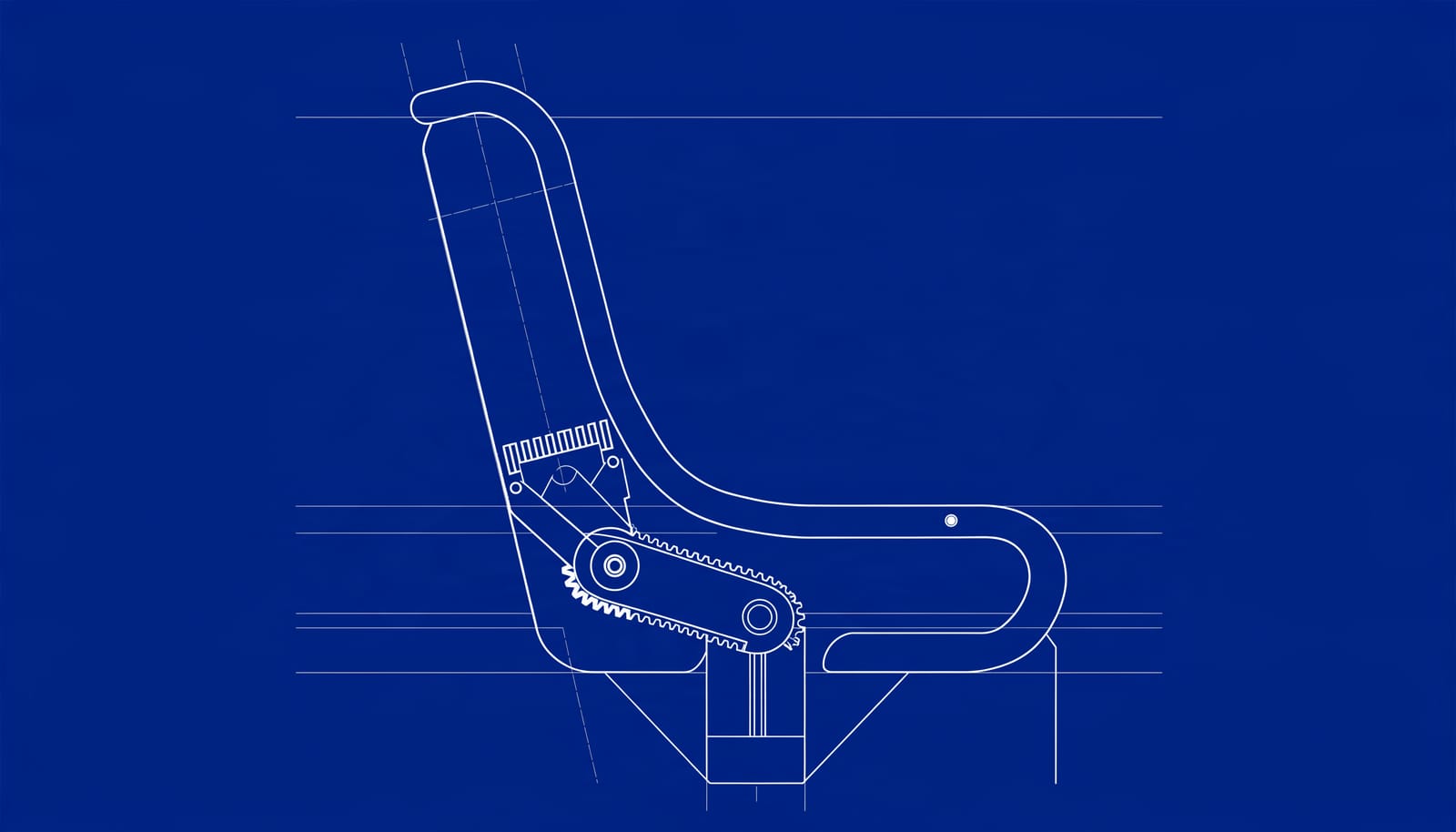
How Roller Coaster Restraints Actually Work (and Why Headbanging Still Happens)
How roller coaster restraints actually work: lap bars, over-the-shoulder harnesses and vest restraints explained, plus why some rides still bang your head.
-
Wood vs Steel vs RMC Hybrid: What Actually Changes
Wooden vs steel roller coasters, explained at the rail: why wood flexes and roars, why steel loops and lasts, and how RMC's I-Box hybrids split the difference.